
August 31, 2026
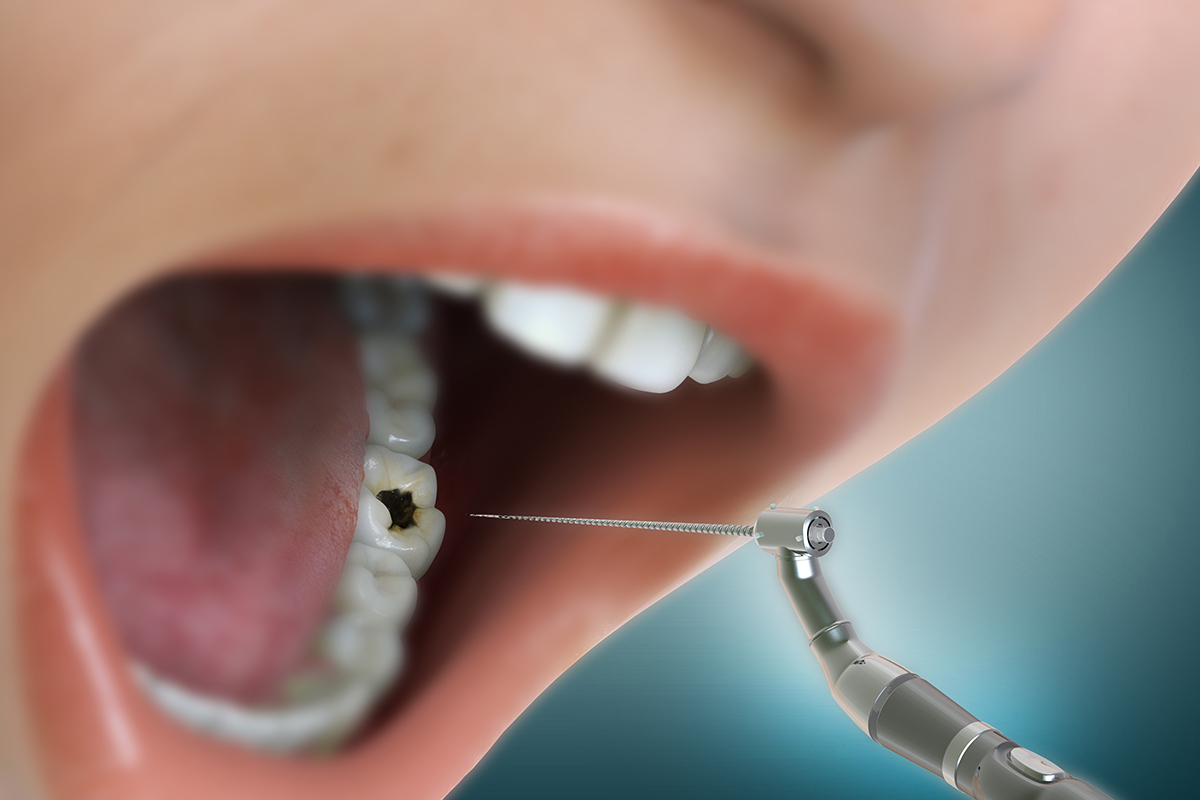
Hearing that you need a root canal can bring up plenty of questions. Will the procedure hurt? How long will recovery take? When can you eat normally again? Understanding what happens before, during, and after treatment can make the entire experience feel much more manageable.
At Root Canal Spa of Tampa Bay, we focus on changing the way patients think about endodontic treatment. Our practice combines specialized care, advanced technology, and a relaxing environment designed to make treatment as comfortable as possible. Led by Board-Certified Endodontist Dr. Susan Yasrebi, we help patients address tooth pain and infection while working to preserve their natural teeth whenever appropriate.
What to Expect Before Root Canal Treatment
Before starting a root canal, we first need to understand what is happening inside and around the affected tooth. Tooth pain can have several causes, so a careful evaluation helps us determine whether root canal treatment is appropriate.
Symptoms that may lead to an endodontic evaluation can include persistent or severe tooth pain, sensitivity to cold or hot temperatures, discoloration of a tooth, swelling or tenderness near a tooth, or a recurring bump on the gums. However, not every tooth that needs treatment causes obvious symptoms.
One advantage of seeing an endodontist is receiving care from a dental specialist focused on diagnosing tooth pain and treating problems involving the inside of the tooth. Dr. Yasrebi completed advanced specialty training in endodontics and is a Diplomate of the American Board of Endodontics.
We also use advanced diagnostic and treatment technology as part of our approach. Our CBCT provides detailed 3D imaging, while our Zeiss Surgical Microscope provides high-definition visualization of microscopic details. These technologies can help us carefully evaluate the tooth and plan treatment.
We understand that anxiety may be one of the biggest concerns before a root canal. Our practice was specifically designed to offer a different kind of endodontic experience. Our relaxing environment includes soothing aromatherapy, noise-canceling headphones, comforting amenities, a waterfall, and contemporary artwork.
For patients who experience dental anxiety, conscious oral sedation may also be an option. This form of minimal sedation allows patients to remain awake while feeling more relaxed. When oral sedation is used, patients should arrange for someone to bring them to the appointment and drive them home afterward.
What Happens During a Root Canal?
The purpose of root canal treatment is to address problems affecting the pulp and root canal system inside a tooth while helping preserve the natural tooth. Although root canals have a reputation for being intimidating, modern endodontic care is designed with precision and patient comfort in mind.
One important part of that experience is effective numbing. At Root Canal Spa of Tampa Bay, we use the STA system for ultra-gentle computerized anesthesia. Our practice also uses virtually silent electric handpieces with minimal vibration, which can make the sounds and sensations associated with dental treatment less noticeable.
During treatment, we access the inside of the affected tooth so the root canal system can be cleaned, disinfected, and sealed. Our practice incorporates the Fotona LightWalker laser into root canal treatment to support thorough disinfection. We also use magnification and advanced imaging to assist with precise treatment.
Once the root canal system has been treated, the tooth must be properly sealed and restored. Depending on your individual treatment plan, a temporary filling may be placed until you return to your general dentist for the permanent restoration.
Every tooth and every patient is different, which is why the exact treatment process can vary. We encourage patients to ask questions before and during their appointments so they understand what is being done and what they can expect afterward.
What to Expect During Root Canal Recovery
After root canal treatment, following your post-treatment instructions is an important part of protecting the treated tooth. Some tenderness or discomfort may occur as the area settles following treatment, and your individual recovery experience can depend on the condition of the tooth and the treatment performed.
Immediately following treatment at our practice, we advise patients to avoid eating or drinking for at least 30 minutes. Patients should also avoid touching the treated tooth with their tongue during this period because the temporary filling needs time to fully harden.
If medications are prescribed, they should be filled promptly and taken according to the instructions provided. For patients who are able to take them safely, the practice's post-treatment instructions note that anti-inflammatory medications such as Ibuprofen, Motrin, or Advil may be used for discomfort when no prescription has been given. Extra Strength Tylenol may be another option. Patients should follow medication label directions and contact our office if discomfort persists or adequate relief cannot be achieved.
Once you begin eating and drinking again, it is important to protect the treated tooth. We instruct patients to avoid chewing or biting on the treated area until the permanent restoration has been placed.
This step matters because root canal treatment addresses the inside of the tooth, but the tooth still needs an appropriate final restoration. Depending on your situation, your general dentist may place a permanent filling or crown after endodontic treatment.
It is also important to pay attention to how you feel during recovery. Mild post-treatment symptoms can occur, but persistent or concerning discomfort should not simply be ignored. If something does not feel right or you have questions about your recovery, contacting our office allows us to provide guidance based on your specific treatment.
How to Make Your Recovery as Smooth as Possible
A smooth recovery begins by following the instructions we provide for your individual case. Avoid putting unnecessary pressure on the treated tooth, take medications only as directed, and make sure you complete the next step in your restorative care.
Patients should also remember that feeling better does not mean the restoration process is necessarily finished. If a temporary filling was placed, follow through with your general dentist so the permanent restoration can be completed. Protecting the tooth during this period can help reduce the risk of damaging it before the final restoration is in place.
We also encourage patients to keep up with their regular dental care after root canal treatment. Saving a natural tooth is an important goal of endodontic care, and ongoing preventive care can help you protect that tooth along with the rest of your smile.
Most importantly, do not hesitate to communicate with us. Root canal recovery is not something you need to navigate on your own. If you have questions about eating, discomfort, medication, your temporary filling, or another part of the healing process, our team is available to help.
Experience a Different Approach to Root Canal Treatment
Root canal treatment does not have to be an experience you approach with fear. Knowing what to expect before, during, and after your procedure can help you feel more prepared and confident about your care.
At Root Canal Spa of Tampa Bay, we combine specialized endodontic expertise with advanced technology and an environment created around relaxation and comfort. Our goal is to provide gentle, innovative care while helping patients preserve their natural teeth whenever possible. If you are experiencing tooth pain, sensitivity, or another symptom that may require an endodontic evaluation, we encourage you to schedule an appointment with our Tampa Bay team.
Frequently Asked Questions about Root Canal Treatment
How long does it take to recover from a root canal?
Recovery can vary depending on the tooth, the condition being treated, and the individual patient. Some tenderness or discomfort may occur after treatment, so following your endodontist's post-treatment instructions and contacting the office about persistent concerns is important.
Can I eat after a root canal?
Our post-treatment instructions advise patients to avoid eating or drinking for at least 30 minutes after treatment. Once you resume eating, avoid chewing or biting on the treated area until the permanent restoration has been placed.
Will I need a crown after my root canal?
The final restoration depends on the tooth and your individual treatment needs. After root canal treatment, your general dentist will determine and place the appropriate permanent restoration.
What should I do if my tooth hurts after treatment?
Some post-treatment discomfort may occur. Follow the medication and care instructions provided by your dental team, and contact the office if discomfort persists or you cannot achieve adequate relief.
Can I drive myself home after a root canal?
This depends on whether sedation is used. Patients receiving conscious oral sedation should arrange for someone to bring them to the appointment and drive them home afterward.
At Root Canal Spa of Tampa Bay, we are dedicated to providing gentle, high-quality, and innovative endodontic care in a relaxing environment. Led by Board-Certified Endodontist Dr. Susan Yasrebi, we use advanced technology and a patient-focused approach to help make root canal treatment a more positive experience. Contact our office to learn more or schedule an appointment.