July 21, 2026
When you need a root canal, one of the first questions you may ask is, "How long will it last?" The good news is that a properly performed root canal can preserve your natural tooth for many years and often for a lifetime. Modern endodontic treatment is designed to eliminate infection, relieve pain, and restore the health of your tooth so you can continue using it normally.
At Root Canal Spa of Tampa Bay, patients receive specialized care from Board-Certified Endodontist Dr. Susan Yasrebi in a relaxing, spa-inspired environment designed to make root canal treatment a positive experience. Using advanced technology and precise techniques, the practice focuses on saving natural teeth whenever possible.
What is the Typical Lifespan of a Root Canal?
A successful root canal can last decades. In many cases, the treated tooth lasts the rest of a person's life.
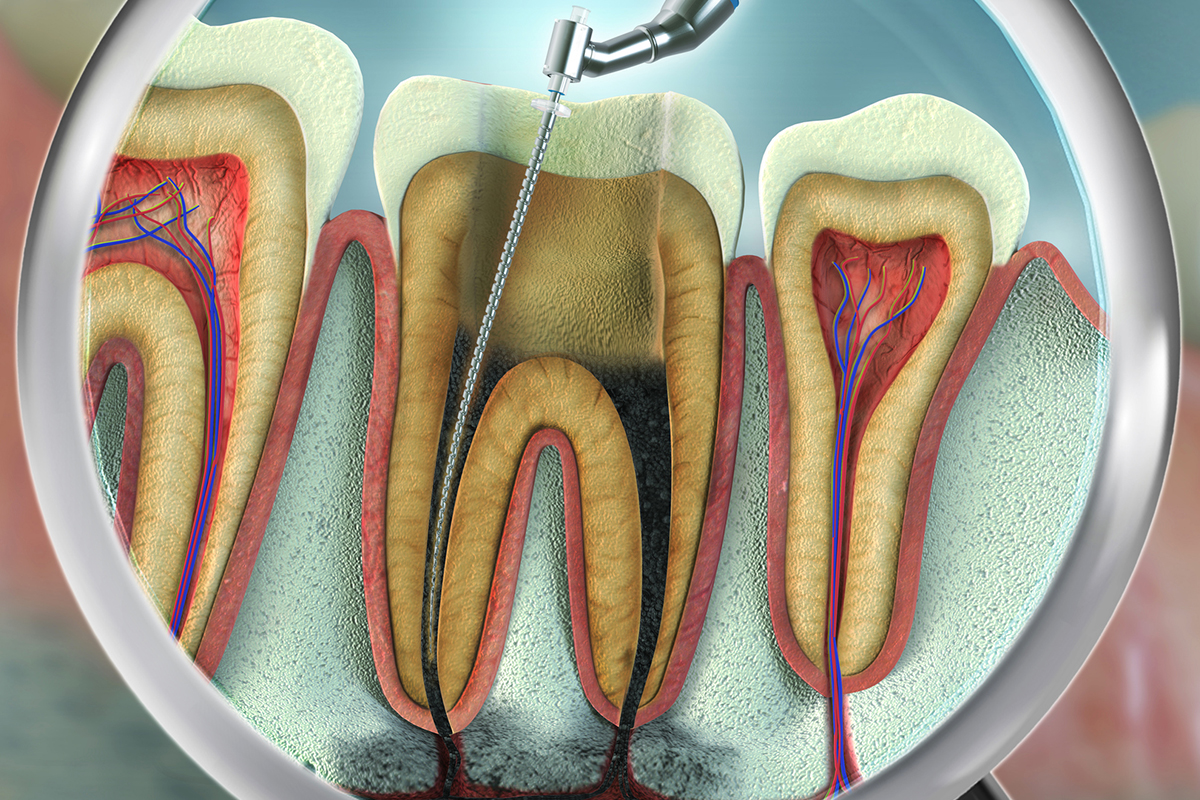
During root canal treatment, the infected or damaged pulp inside the tooth is carefully removed. The canals are cleaned, disinfected, shaped, and sealed to prevent bacteria from returning. Once the tooth is restored, it can continue functioning much like a healthy natural tooth.
While no dental treatment can be guaranteed to last forever, studies have consistently shown that root canal treatment has an excellent long-term success rate when performed properly and followed by an appropriate restoration, such as a dental crown when recommended.
The longevity of a root canal depends on several factors, including:
- The severity of the original infection
- How quickly treatment was completed
- The quality of the restoration after treatment
- Your oral hygiene habits
- Regular dental examinations
- Whether the tooth experiences additional trauma or decay
Why Saving Your Natural Tooth Matters
One of the greatest benefits of root canal treatment is preserving your natural tooth.
Keeping your original tooth helps maintain proper chewing function, supports neighboring teeth, and preserves your natural bite. Extracting a tooth often requires replacement with a bridge or dental implant to restore function.
Endodontists specialize exclusively in diagnosing tooth pain and treating the inside of the tooth. After completing dental school, they receive an additional two years of advanced specialty training focused on complex root canal procedures and saving teeth that might otherwise be lost. At Root Canal Spa of Tampa Bay, Dr. Susan Yasrebi provides this specialized expertise using advanced technology and gentle techniques.
What Factors Affect How Long a Root Canal Lasts?
Although root canals are highly successful, several factors influence how long the treated tooth remains healthy.
The Quality of the Original Treatment
A thorough cleaning and complete sealing of the root canal system are essential. Specialized equipment and modern imaging allow endodontists to locate even complex canals and treat them precisely.
Prompt Final Restoration
Many teeth require a permanent filling or crown after root canal treatment. This restoration protects the remaining tooth structure from fracture and prevents bacteria from entering the tooth again.
Delaying the final restoration increases the risk of complications that could shorten the lifespan of the treated tooth.
Your Oral Hygiene Routine
Even though the nerve has been removed, the tooth can still develop cavities or gum disease.
Brushing twice daily, flossing every day, and attending regular dental cleanings help protect the restored tooth and the surrounding tissues.
Tooth Location
Molars absorb much greater chewing forces than front teeth. Because of this, back teeth often benefit from crowns to provide additional strength and durability.
Overall Oral Health
Healthy gums and supporting bone are critical for the long-term stability of every tooth, including one that has received root canal treatment.
Signs that a Root Canal is Still Healthy
Most successful root canals become virtually unnoticeable after healing.
Signs your treated tooth is functioning well include:
- No pain while chewing
- No lingering sensitivity
- Healthy surrounding gums
- Normal function when eating
- No swelling or signs of infection
Your dentist or endodontist will also monitor the tooth using periodic X-rays to confirm that the surrounding bone has healed properly and no new infection has developed.
Can a Root Canal Fail?
Although uncommon, root canals can occasionally require additional treatment.
Possible reasons include:
- Hidden or unusually shaped canals that were difficult to detect
- New decay allowing bacteria to enter the tooth
- A cracked tooth
- A damaged or leaking crown or filling
- Delayed placement of the permanent restoration
Fortunately, many failed root canals can often be successfully treated with endodontic retreatment or, in certain situations, microsurgical endodontic procedures such as an apicoectomy.
Root Canal Spa of Tampa Bay offers both endodontic retreatment and advanced microsurgical endodontics using state-of-the-art technology when additional care is needed.
How to Make Your Root Canal Last as Long as Possible
While much of your treatment's success depends on expert care, your daily habits also make a difference.
To maximize the lifespan of your treated tooth:
- Complete your permanent restoration as soon as recommended
- Brush twice each day using fluoride toothpaste
- Floss daily
- Attend regular dental checkups and cleanings
- Avoid chewing ice or other extremely hard objects
- Wear a custom night guard if you grind your teeth
- Address any new dental concerns promptly
Following these recommendations helps protect both the treated tooth and your overall oral health.
Why See an Endodontic Specialist?
General dentists perform many root canals, but certain cases benefit from the expertise of an endodontist.
Endodontists use advanced technology, specialized microscopes, and extensive training to diagnose and treat problems involving the inside of the tooth. They routinely manage complex anatomy, retreatment cases, dental trauma, cracked teeth, and other challenging situations.
At Root Canal Spa of Tampa Bay, Dr. Susan Yasrebi has built the nation's first spa-inspired endodontic practice, combining cutting-edge technology with thoughtful amenities such as aromatherapy, noise-canceling headphones, and a calming environment designed to reduce anxiety. Her goal is to redefine root canal treatment as a comfortable and positive experience.
Protect Your Smile for Years to Come
A root canal is an investment in your long-term oral health. When performed by an experienced endodontic specialist and followed by proper restoration and good oral hygiene, a treated tooth can often last for decades or even a lifetime.
If you're experiencing persistent tooth pain, sensitivity, or have been told you may need a root canal, seeking prompt treatment can help preserve your natural tooth before the damage becomes more extensive. Early care often leads to better outcomes and a healthier smile for years to come.
Frequently Asked Questions about Root Canal Treatment
Can a tooth still get a cavity after a root canal?
Yes. Although the pulp has been removed, the remaining tooth structure is still susceptible to decay. Maintaining excellent oral hygiene and regular dental visits is essential.
Does every tooth need a crown after a root canal?
Not always. Front teeth often require only a filling, while molars and many premolars typically benefit from a crown because they experience greater chewing forces. Your provider will recommend the most appropriate restoration for your situation.
How do I know if my old root canal needs to be evaluated?
Pain, swelling, tenderness when biting, bump on the gum, or changes visible on routine dental X-rays may indicate the tooth should be evaluated by an endodontist.
Is it better to save a tooth with a root canal or have it extracted?
Whenever possible, preserving your natural tooth is usually the preferred option. Saving the tooth helps maintain proper chewing function, supports surrounding teeth, and often avoids the need for more extensive tooth replacement procedures.
Can I eat normally after a root canal?
Most patients can return to eating once the numbness wears off, but it's best to avoid chewing on the treated tooth until your permanent restoration is placed. Following your post-treatment instructions helps promote healing and protects the tooth while it recovers.
At Root Canal Spa of Tampa Bay, we are committed to providing gentle, innovative endodontic care in a relaxing environment that changes the way patients think about root canals. Led by Board-Certified Endodontist Dr. Susan Yasrebi, we use advanced technology and compassionate care to help preserve your natural smile. Contact us today to schedule a consultation.